Shoot types and terminology
The shorthand photographers use, in plain English, so you know what you are agreeing to before you agree to it.
Why the words matter
Casting calls and photographer profiles are full of shorthand, and most of it is never explained. Somebody new reads a brief, recognises most of the words, assumes they understand the rest, and agrees. That is how people end up on a shoot doing something they did not expect.
None of the terms below are rude words. They are job descriptions. Asking what one of them means is not naive, and any photographer worth working with will tell you plainly.
Everyday portrait work
Headshot
Head and shoulders, usually plain, usually for business, acting or agency use. The job is to look like you on a good day. Little styling, no story.
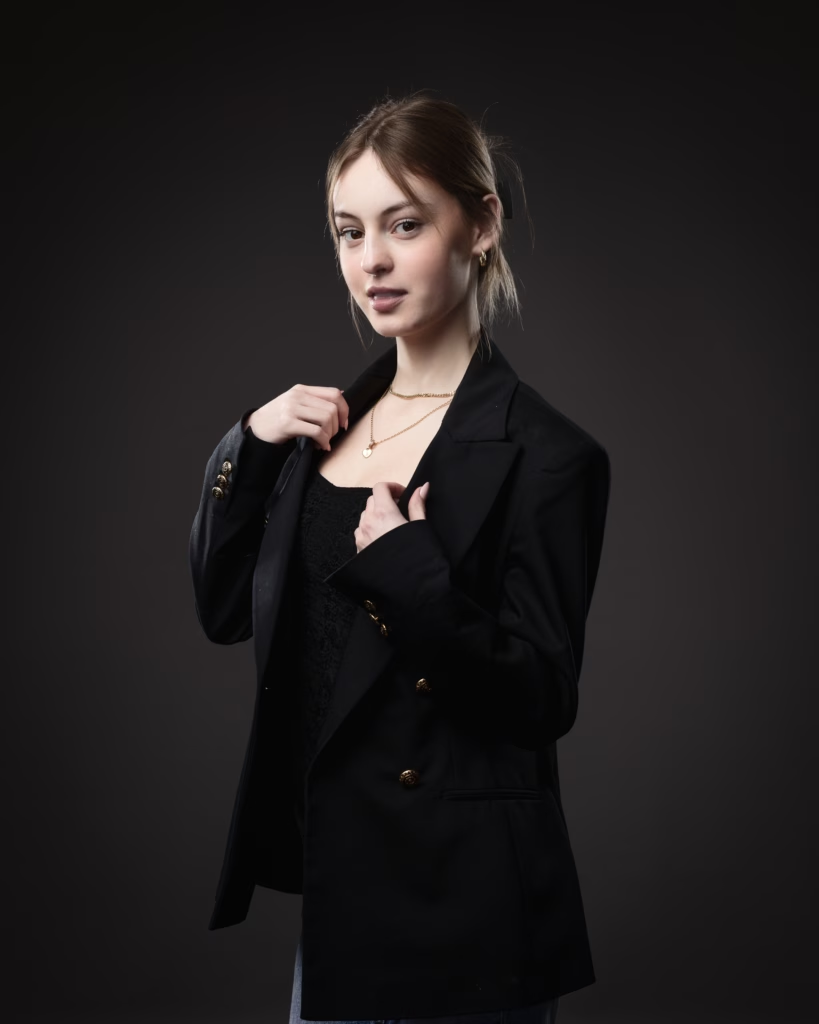
Portrait
Wider than a headshot and less rigid. The person is the subject. Could be studio or location, could be lit hard or soft, and the aim is a likeness with some character in it.
Model portfolio
A set of images built to show range rather than to sell anything. Different looks, lighting and moods, so somebody looking at your book can see what you can do. This is what most of my model work is.
Fashion and commercial
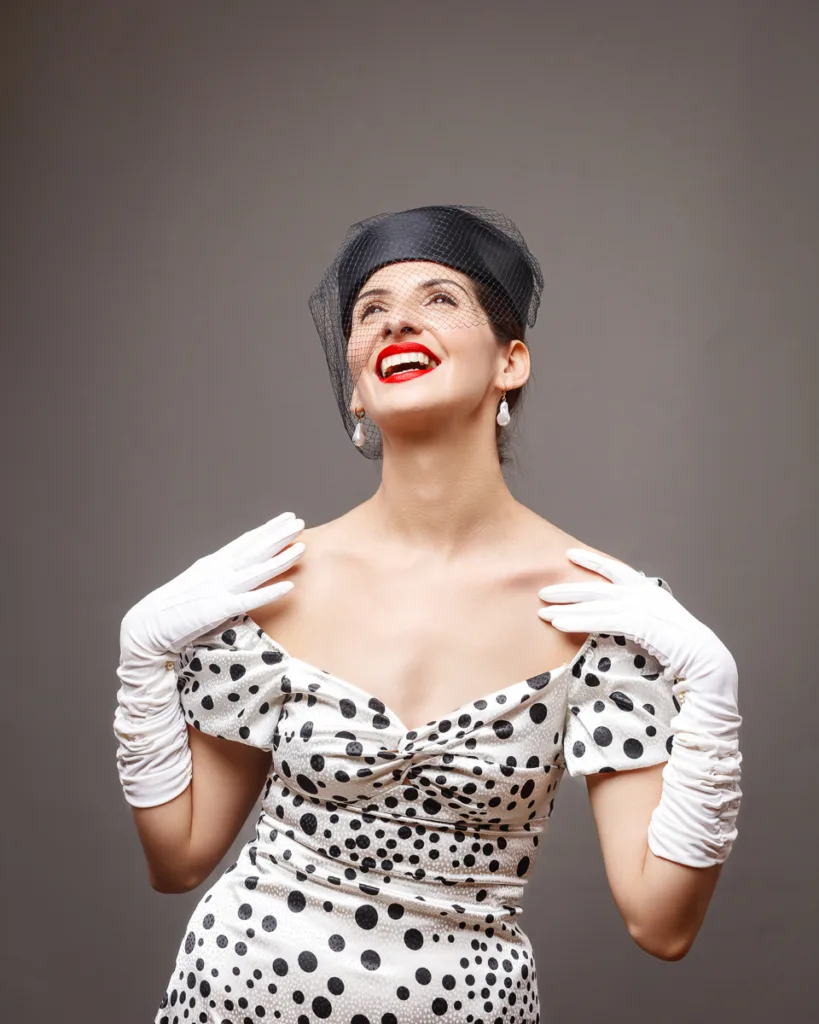
Fashion
The clothes are the subject and you are showing them. Posing is usually stronger and more deliberate.
Editorial
Magazine style. Tells a story or sets a mood across several images rather than selling one item. More creative freedom, less literal.
Commercial
Images made to sell a product or a service. Almost always needs a signed release and a usage licence saying where the images can appear and for how long. This is the category where payment and paperwork matter most.
Beauty
Close in, with hair, skin and makeup as the subject. Often needs a makeup artist to do properly.
Where clothing is the variable
These are the terms that cause the most confusion, and the ones most worth being certain about before you agree to anything. I do not shoot any of them. They are listed here so you can recognise them elsewhere.
Lingerie
Underwear as the clothing. Everything is covered, though it is more revealing than everyday clothes.
Boudoir
Intimate setting, usually underwear, usually shot for the person themselves rather than for a working portfolio. Bedrooms, soft light, that kind of thing.
Implied
The model appears to be unclothed but nothing is actually shown. It is achieved with posing, framing, fabric, props or shadow. What you are actually wearing during an implied shoot varies enormously between photographers, so ask specifically rather than assuming.
Topless
Exactly what it says. The upper body is uncovered.
Art nude, or fine art nude
Unclothed, with the image treated as a study of form, light and shape rather than as a sexual image. The intent is the distinction, and intent is subjective, which is why references and a clear brief matter so much here.
Glamour
The slipperiest word in this list. It means wildly different things to different photographers, anywhere from fashion-adjacent to a good deal more explicit. Never assume you know what somebody means by it. Ask them to describe the actual images they have in mind.
Where I draw the line
Everything I shoot through this site is safe for work. Portraits, fashion-led images, editorial-style photography, creative portraiture, personal branding and portfolio-building work.
I do not use model portfolio or collaborative shoots as a route into nude, implied nude, adult or sexually suggestive work. That is not what these sessions are for, and I would rather everyone was clear about it before a shoot is arranged. On a TFP basis I do not shoot implied, lingerie, boudoir or nude work at all.
If that rules out what you are after, no hard feelings. Better to find that out now than on the day.
Levels on casting sites
Most casting platforms, PurplePort included, ask models to set a level describing how far they are willing to go, and photographers then filter by it. The labels are not standardised between sites, so one platform wording will not match another.
Two things are worth doing. Read the platform own definitions rather than guessing from the label, because the wording matters. Then set yours honestly, at the level you are comfortable with today rather than the one you think will bring more work. A level set too high generates enquiries you will have to turn down, and it puts you in the position of saying no over and over, which is exactly the position worth avoiding.
You can change your level whenever you like, and moving it down is not a step backwards.
Asking is not naive
If a brief uses a word you are not certain about, ask what it means in practice for that particular shoot. Not the dictionary definition, but what you would actually be doing and wearing on the day. A photographer who is vague about that, or who makes you feel silly for asking, has told you something useful.
Get the answer in writing while you are at it. The safety page covers why that matters.
Not sure what you are looking for?
Ask me. I would rather spend ten minutes working out whether a shoot is right for you than have either of us find out on the day.