Building a portfolio that works
A book is a tool, not a scrapbook. Somebody looking at it is deciding in about ten seconds whether to read your message.
What a portfolio is actually for
Your book exists to answer one question for somebody who has never met you. Can this person do the job I need doing.
That is a different question from whether the pictures are nice. Plenty of lovely images belong in a frame at home rather than in a portfolio. The test for each one is whether it tells a photographer, a client or a caster something they need to know about what you can do.
It follows that a portfolio is edited rather than collected. Most of the books I see are too long and too similar, which is a solvable problem and costs nothing to fix.
Range beats volume
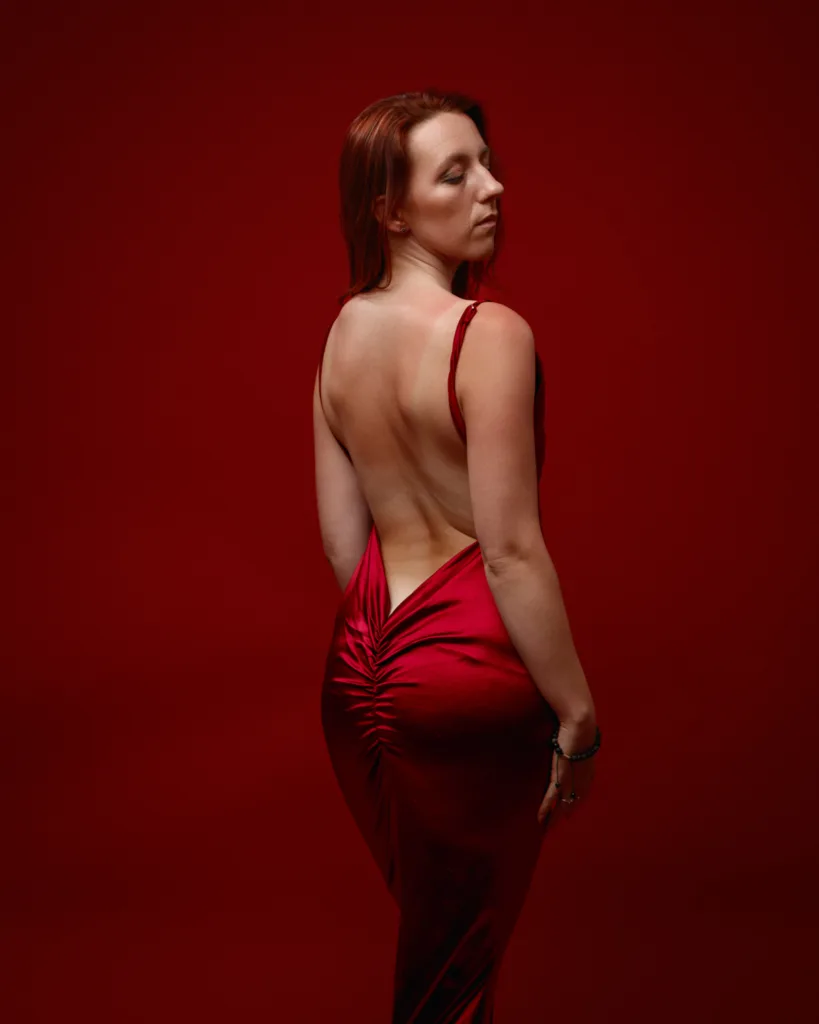
Twelve images that each show something different are worth more than forty that show the same thing forty times.
The trap is an easy one. You have a good shoot, you love the results, and thirty frames from one afternoon go into the book. To anybody looking at it that reads as one look, one photographer and one day. It says very little about what you can do the rest of the time.
Aim for variety across lighting, framing, styling and mood. Where two images would teach a viewer the same thing, keep the stronger one and drop the other.
What most books are missing
When a book feels thin it is usually short of the plain images rather than the creative ones.
- A clean headshot. Simple light, plain background, looking down the lens. Unglamorous, and the most requested image there is.
- A full length. People need to see proportion, posture and how you carry yourself, not only your face.
- Something on a neutral background. Easy for somebody to imagine other uses for. A heavily styled set is harder to read.
- Something in natural light. Shows you do not only work under studio flash.
- Something with movement or expression in it. A book of still, neutral faces says nothing about whether you are any good to direct.
Cut harder than feels comfortable
A portfolio is judged by its weakest image rather than its best one. One flat, badly lit or out of date picture sitting among good work drags the whole set down, because it makes a viewer wonder which of the others you got lucky with.
Images are hard to cut when you remember the day, or when somebody was kind to you on the shoot, or when it cost money. None of that is visible to the person looking at your book. Judge each one cold.
If you are unsure about an image, it goes.
Keep it current
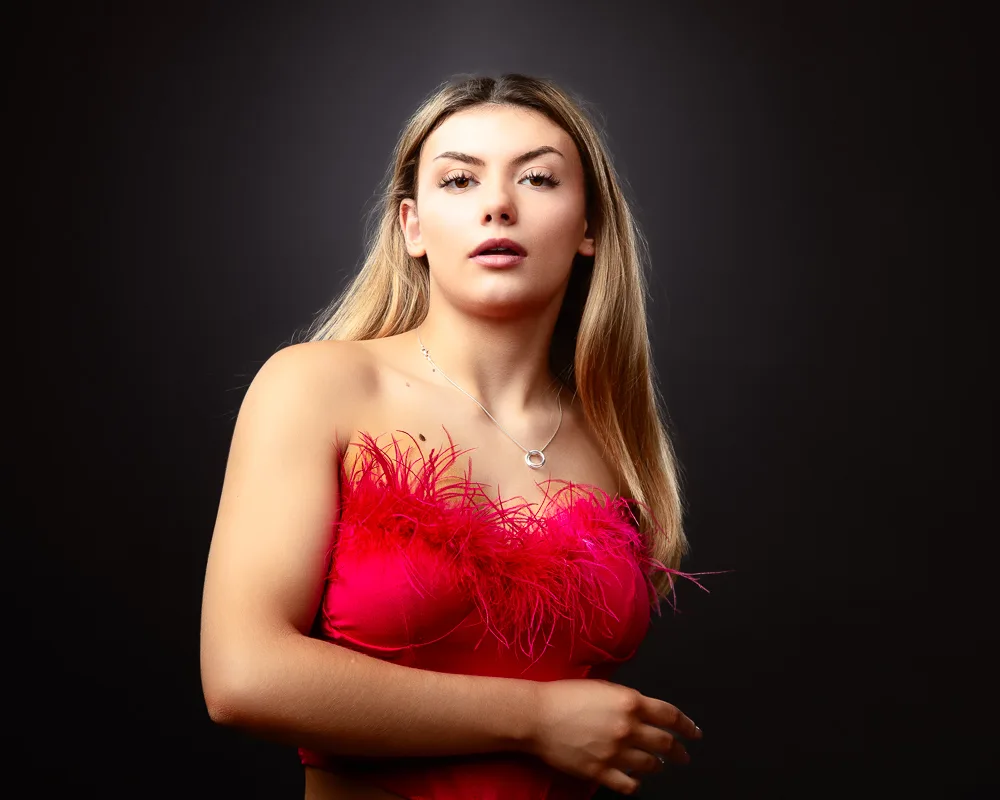
A book that no longer looks like you costs you work, and it wastes the time of anybody who books you expecting the person in the pictures. Hair changes, weight changes, and tastes move on.
Refresh it as things change rather than on a schedule. If your hair is a different colour from most of your book, that is the signal.
Do not shoot the same thing twice
Before you agree to a shoot, ask what it will add that you do not already have. If the honest answer is another version of an image already in your book, the shoot is not useless, though it is not building anything either.
That question gets more useful the longer you do this. Early on almost everything adds something. Later, the gaps are specific, and knowing what yours are is most of the skill.
This is where TFP earns its place, and there is more on that on the hobby not a career page.
Want a hand filling the gaps?
Tell me what your book is short of and we can plan a session around it rather than shooting whatever comes to mind on the day.