Staying safe as a model
Most people in this business are good to work with. A small number are not, and they are not always easy to spot. Here is how to tip the odds in your favour.
I have worked with a lot of models over the years, and almost all of them have been a pleasure to photograph. Most photographers are the same: professional, respectful and easy to deal with. I wish I could tell you that was true of everyone, but it is not. A small number of people treat a camera as a way to get close to someone, and they are not always easy to spot.
I would rather you were careful than caught out. None of this is complicated. Most of it is common sense written down. Follow it and you will be a good deal safer than someone who turns up and hopes for the best.
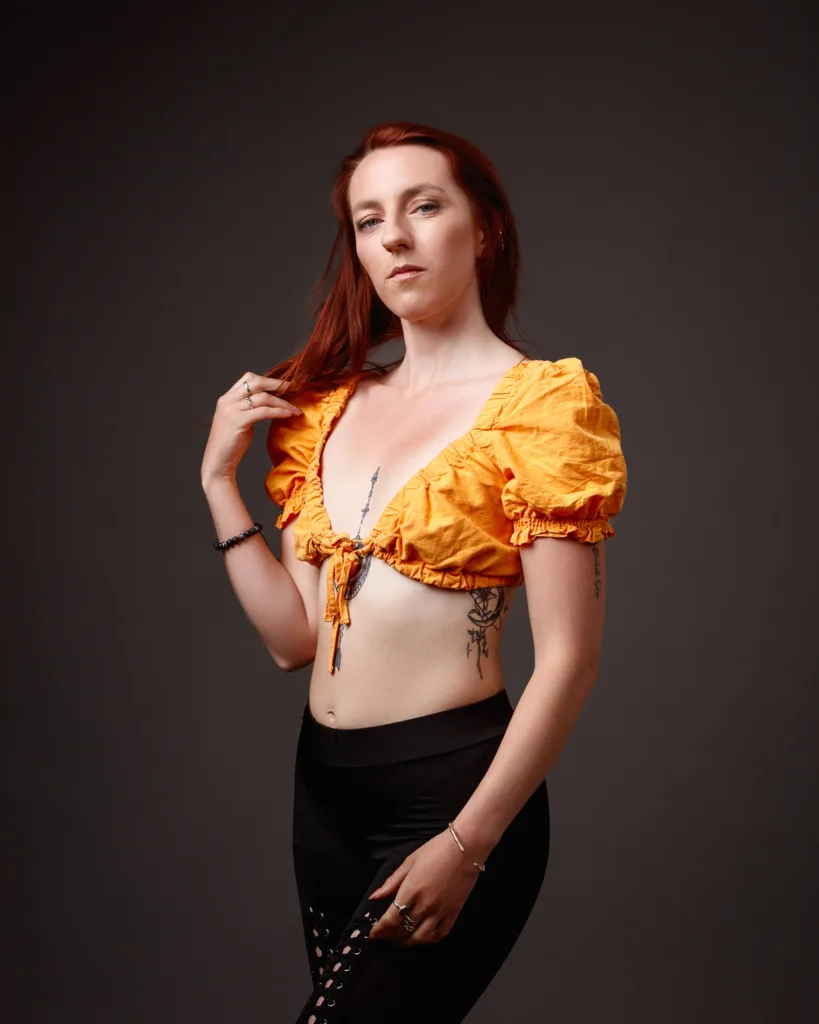
Ten things that will keep you safer
None of these will guarantee anything on their own. Together they make you a good deal harder to take advantage of.
01
Check the photographer before you go
Look the person up before you agree to anything. A photographer who has been working for a while leaves a trail: a website, a portfolio, references from other models, an account that has been around for years rather than weeks. Read the references, and if you want to be sure, message a couple of the models who left them and ask what the shoot was actually like. Most will happily tell you. Someone who changes their name and starts again every few months is worth a second look.
02
Trust your instincts
You are allowed to say no, to a shoot, to a particular photograph, or to the whole thing halfway through. You do not owe anyone a reason. If something feels wrong before you have even met, that feeling is information, so listen to it. No good photographer will think less of you for turning a shoot down.
03
Bring someone with you
You are entitled to bring a friend, a partner or a parent to a shoot, and you do not need the photographer’s permission to do it. Someone who makes a fuss about a chaperone is telling you something useful. Let them know in advance so they can expect an extra person, then bring whoever helps you feel comfortable.
04
Agree the shoot before the day
Sort out what the shoot is before you arrive, not once you are there. What you will be doing, what you will be wearing, and what you are and are not comfortable with. If it is a paid job, agree the fee and how the images can be used as well. The more that is settled in advance, the less room there is for surprises.
05
Keep it in writing
Keep a record of what was agreed. If you arrange things through a messaging system, the conversation is saved for you. If you talk on the phone, send a short message afterwards confirming what you discussed. It feels formal, but it means that if there is ever a disagreement about what was said, you are not relying on memory.
06
A professional will not touch you
The old rule in this trade is that the photographer does not touch the model, and it is a good one. If a stray hair needs moving or a strap needs adjusting, you do it, not them. A photographer who needs something changed should tell you what and let you sort it, or ask first and wait for your answer. Anything beyond that is not part of the job.
07
Watch for anyone pushing your limits
Level pushing is when a photographer agrees to one thing and then, once you are there, tries to talk you into more. It might be more skin, a different kind of shot, or one more frame that goes a bit further than the last. You agreed a line, and you are allowed to hold it. Anyone worth working with will respect it without an argument, and will not make you feel awkward for keeping to what you agreed.
08
Meet first, and tell someone where you are
If you can, meet a new photographer somewhere public before the first shoot, or at least speak properly beforehand. Tell a friend or family member where you are going, who you are meeting and when you expect to be finished. Keep your phone charged and near you. It is worth arranging for someone to call you partway through, and letting the photographer know that call is coming.
09
Be careful with money
You should never have to hand over large sums for a portfolio, an audition or the promise of work. The classic trick is a lot of flattery followed by a hard sell for an expensive set of photographs you do not need. A real agency makes money when you do, not before. Never sign a contract on the spot, and never sign one you have not read properly. Anyone reputable will be happy for you to take it away and think it over.
10
Remember where the images end up
Once a photograph is online, you have very little control over where it goes or how long it stays there. Before you agree to a shoot, ask yourself whether you would be comfortable with those images being seen by your family, an employer, or someone you have not met yet. If the answer is no, that is a perfectly good reason to say no to the shoot. Do the work you are happy to stand behind.
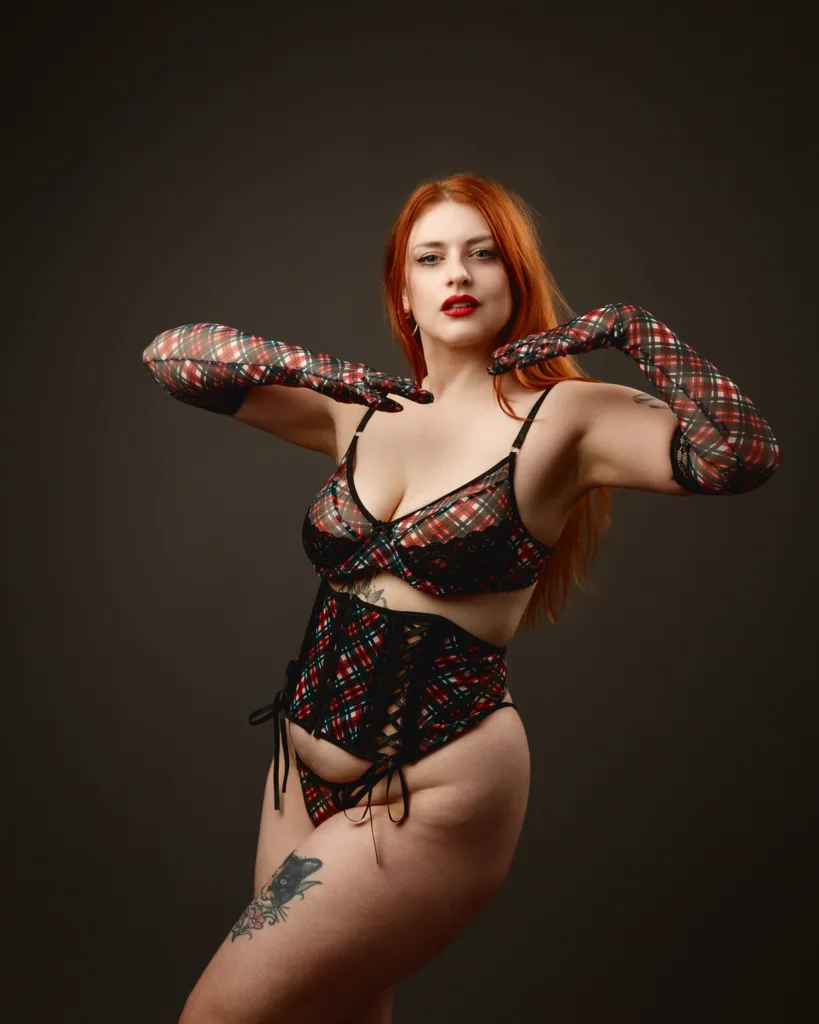
The same rules apply at my end
For what it is worth, here is how these apply when you work with me. Every shoot I run through this site is safe for work. Chaperones are always welcome, and you never have to ask. I do not touch models, so any direction is given by talking or by showing you on myself. You can stop at any point, for any reason. If you are under 18, a parent or legal guardian must be with you for the whole session, with no exceptions.
You can read more about the way I run my TFP shoots on the TFP shoots page. Please do not take my word alone as proof of anything, though. The same checks apply to me as to anyone else. Look me up, read my references, bring someone along, and only book if you are comfortable.
Keep it in proportion
None of this is meant to frighten you. Modelling is good fun, and the large majority of shoots are safe, professional and enjoyable. I have met a lot of genuinely nice people through it. The point of this page is not to make you nervous. It is to help you arrive prepared, so that you can relax and get on with the part that matters, which is making good pictures.
If you are ever unsure about a shoot, mine or anyone else’s, trust that feeling and ask questions first. PurplePort also has a detailed section on model safety and chaperones that is worth reading if you want to go further. Your safety comes before any photograph.
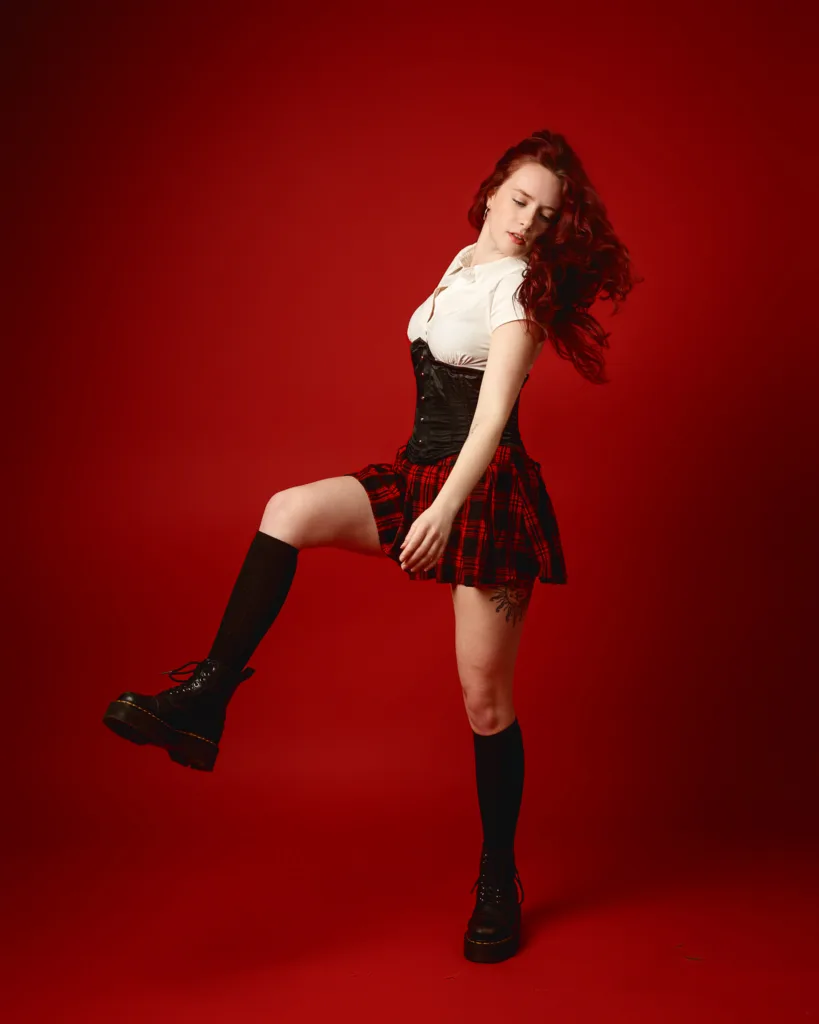
Commercial portrait photographer
Bob Foyers
I am a commercial portrait and headshot photographer based in Suffolk. My studio is at Rendlesham, on the site of the former RAF Bentwaters air base. I work with businesses and individuals across Suffolk, Norfolk and Essex, and I run a small number of TFP shoots each year alongside the commercial work.
Want a professional portfolio shoot?
Foyers Photography runs paid model portfolio sessions in a Suffolk studio, with edited images to build your book. See the sessions and book on the main site.